
Beyond the Home Office: Why Remote Workers Are Choosing Coworking in 2026
The remote work experiment is no longer an experiment. What started as an emergency response has become, for millions of professionals, simply how work happens. The commute is gone. The office is optional. The freedom is real.
But so is the reality check.
After years of working from home, many remote professionals are arriving at an honest conclusion: the home office isn't working as well as it used to. Maybe it never worked as well as they convinced themselves it did.
The appeal was obvious at first. No commute. No dress code. Complete control over your environment. The ability to switch loads of laundry between meetings. For a while, it felt like the future of work had finally arrived.
Then the downsides started accumulating. The isolation that crept in slowly. The focus that became harder to find. The boundaries between work and life that blurred until they nearly disappeared. The sense that something was missing, even if it was hard to name.
This is why 2026 is shaping up to be the year of the workspace reset. Not a return to traditional offices—that ship has sailed for many professionals. But a recognition that "anywhere" doesn't have to mean "home," and that the right environment might be worth seeking out.

What Changed: The Home Office Reality Check
The early days of remote work were fueled by novelty and necessity. Working from home felt like a privilege, a hack, a competitive advantage. The inconveniences were easy to overlook because the benefits felt so significant.
But novelty fades. And when it does, what remains is the daily reality of your working environment.
The isolation compounded
In year one, working alone felt peaceful. In year two, it felt normal. By year three and beyond, it started to feel like something else entirely.
Human beings are wired for connection. Not constant interaction—introverts and focused workers need plenty of solitude. But the complete absence of casual professional contact takes a toll that accumulates slowly and then becomes impossible to ignore.
You notice it in small ways. The ideas that don't get sparked because there's no one to bounce them off. The motivation that's harder to summon when you're accountable only to yourself. The professional identity that starts to feel abstract when you're disconnected from any professional community.
Remote work solved the problem of unnecessary meetings and open-plan distractions. But it also eliminated the spontaneous conversations, the ambient energy of shared focus, and the simple presence of other people pursuing their own work alongside you.
The boundaries dissolved
When your office is twenty steps from your bed, the workday has no natural edges. It starts when you open your laptop and ends when you finally close it—which, for many remote workers, happens later and later as the boundaries erode.
The promise of flexibility became, for some, the reality of always being available. The home that was supposed to be a refuge became indistinguishable from the workplace. Rest started requiring leaving the house entirely, because staying home meant staying at the office.
This boundary collapse affects more than productivity. It affects relationships, mental health, and the basic human need for spaces that serve different purposes. A bedroom that's also an office is fully neither.
The environment stopped supporting the work
Home offices are usually afterthoughts. A spare bedroom. A corner of the living room. A desk wedged into whatever space was available. The setup that felt "good enough" in 2020 has had years to reveal its limitations.
Poor lighting that strains your eyes by mid-afternoon. A chair that seemed fine until your back started disagreeing. Noise from family members, neighbors, delivery trucks, and dogs who bark at everything. The visual clutter of a space that serves multiple purposes and therefore serves none of them particularly well.
These environmental factors affect cognitive performance in ways that are easy to underestimate. The research is clear: noise, poor lighting, and visual clutter all reduce focus and increase fatigue. But because the decline is gradual, it's easy to attribute it to other causes—age, stress, the nature of the work itself.
The professional presence eroded
For client-facing professionals, the home office creates a persistent low-grade challenge. Video calls require background management. In-person meetings require apologizing for the space or suggesting alternatives. The environment doesn't communicate the professionalism you've worked hard to build.
This matters more than many people admit. First impressions are formed quickly, and environment is part of the impression. A polished, intentional workspace signals competence and attention to detail. A makeshift home setup signals something else—even if the quality of your work tells a different story.
The Coworking Alternative: What's Actually on Offer
Coworking has been around for years, but its value proposition has shifted. Early coworking spaces emphasized networking, community events, and the startup energy of people building companies together. That model appealed to a specific type of worker.
The new coworking proposition is different. It's less about networking and more about environment. Less about community programming and more about the simple benefits of a workspace that actually works.
A space designed for focus
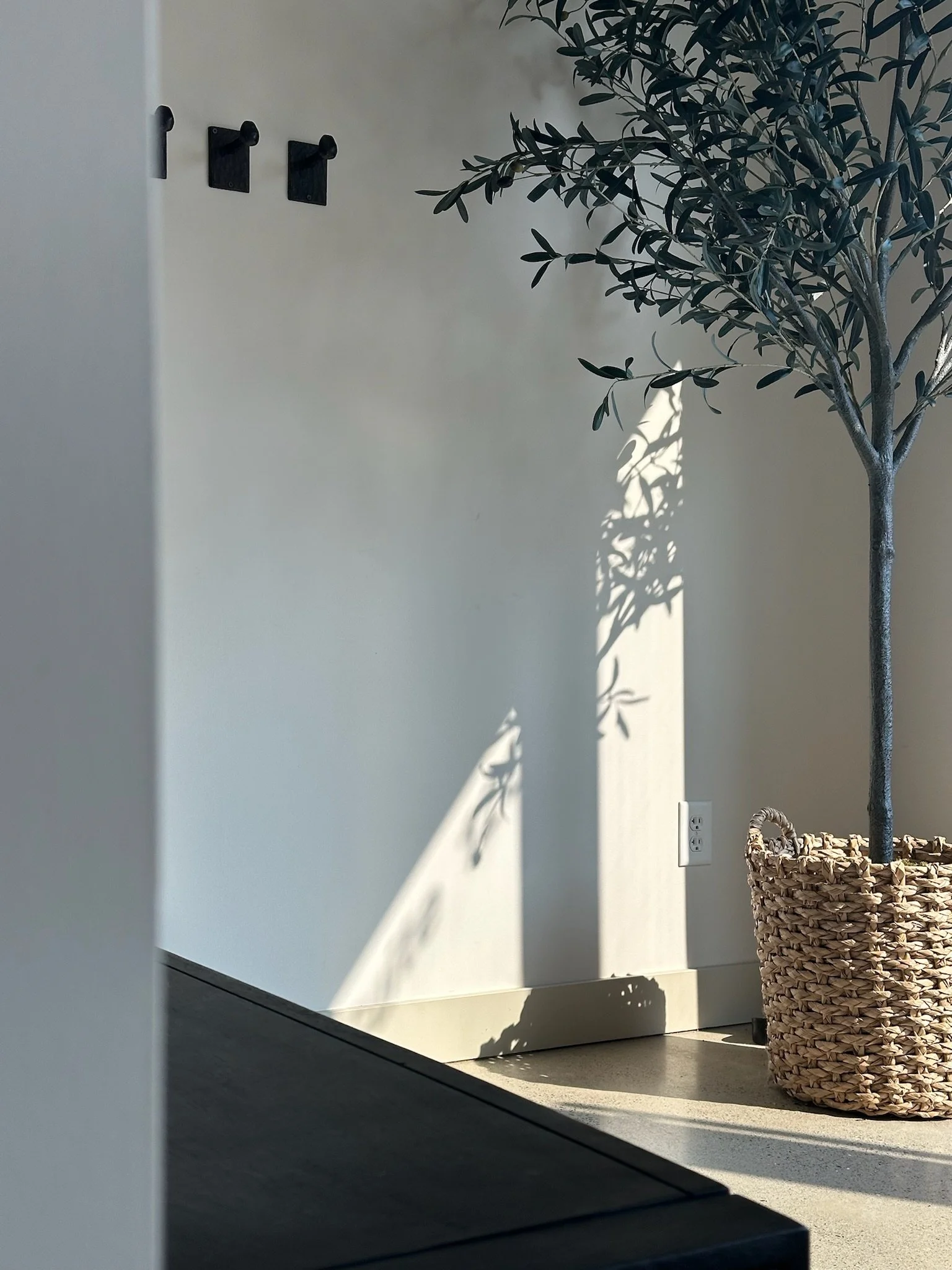
The best coworking spaces are intentionally designed for the kind of work most professionals actually do. Natural light that supports energy and circadian rhythm. Acoustic considerations that minimize distraction. Furniture that's comfortable for long work sessions. Visual environments that are calm, organized, and conducive to concentration.
This isn't about luxury for its own sake. It's about recognizing that environment shapes cognition, and investing in a space that supports rather than undermines your capacity for focused work.
When you sit down in a well-designed workspace, the shift is almost immediate. Your brain receives clear signals: this is a place for work. The mental overhead of managing a suboptimal environment disappears. Focus becomes easier to access.
Separation without commute
One of the genuine losses of remote work was the transition ritual. The commute—for all its frustrations—served a psychological function. It created separation between home and work, a buffer zone where you could shift gears in both directions.
Working from home eliminated the commute but also eliminated the transition. You went from bed to desk with nothing in between. The workday started before you were fully awake and ended without any clear signal that it was over.
Coworking restores the separation without requiring a soul-crushing commute. A ten-minute drive to a dedicated workspace creates the boundary that working from home erases. You leave home to go to work. You leave work to go home. The spaces are distinct, and your brain can treat them accordingly.
Presence without pressure
The social dimension of coworking is often misunderstood. It's not about networking events and forced interaction. It's about the simple presence of other people who are also working.
There's something quietly motivating about being surrounded by focus. Other professionals, doing their own work, creating an ambient energy of productivity. You're not interacting with them constantly—maybe not at all on a given day. But their presence shapes the environment in ways that working alone cannot replicate.
This isn't about accountability in a punitive sense. It's about the natural human tendency to match the energy of your surroundings. When you're surrounded by focus, focus comes easier. When you're surrounded by the distractions of home, distraction comes easier.
Professional environment on demand
For client meetings, the difference is immediate. Instead of managing camera angles and apologizing for background noise, you're meeting in a space that reflects the quality of your work. The environment does some of the credibility-building for you.
This matters for first impressions with new clients. It matters for maintaining professional relationships over time. And it matters for your own sense of professional identity—the feeling that you're a serious professional doing serious work, not someone making do with whatever space is available.
The Minnesota Winter Factor
In Southern Minnesota, there's an additional variable that makes the workspace question more urgent: the weather.
January and February are difficult months. Short days, bitter cold, the kind of weather that makes leaving the house feel like an achievement. The natural instinct is to hunker down, to minimize exposure to the elements, to wait it out until spring.
But for remote workers, this instinct creates a trap. Staying home to avoid the cold means staying in the same space, day after day, with no variation and no reason to get dressed or leave the house. The isolation that's manageable in summer becomes oppressive when you haven't left your home in days.
This is precisely when a dedicated workspace becomes most valuable. Not despite the weather, but because of it.
Breaking the cabin fever cycle
Having somewhere to go—even when going out requires more effort—changes the psychology of winter. You have a reason to get dressed. A destination that's not home. A break in the monotony of the same four walls.
The drive to a coworking space might be cold, but it's brief. And on the other side is a warm, well-lit environment designed for productivity. Natural light that your home office might lack, especially in the darker months. A change of scenery that your brain genuinely needs.
Remote workers who tough out Minnesota winters entirely at home often hit a wall in February. The sameness becomes unbearable. The isolation compounds. By the time spring arrives, they're depleted in ways that a few sunny days can't immediately fix.
Building intentional separation into your winter routine is a form of prevention. It's not about forcing yourself out of the house for its own sake. It's about recognizing that your environment affects your mental state, and that a workspace designed for focus might be the antidote to the winter fog.
Light as a resource
Seasonal changes in light affect everyone, but they affect remote workers more acutely. When your commute was eliminated, so was your guaranteed outdoor time. It's possible to go days without meaningful exposure to natural light, especially when the sun sets at 4:30 PM.
The best workspaces prioritize natural light for this reason. Not as an aesthetic choice, but as a functional one. Spending your working hours in a well-lit environment supports your circadian rhythm, your energy levels, and your overall mental health during the months when light is scarce.
This isn't a small thing. It's one of the most significant environmental factors affecting winter wellbeing—and one of the easiest to address with a workspace that takes it seriously.
What to Look for in a Coworking Space
If you're considering a coworking space for the first time—or reconsidering after a past experience that didn't work—here's what actually matters.
Environment quality over amenities
Ping pong tables and beer fridges are marketing. What matters is the quality of the environment where you'll actually work. Natural light. Acoustic design. Comfortable, functional furniture. Visual calm.
Visit the space during working hours if possible. Notice how it feels to be there. Is it quiet enough for focused work? Is the lighting adequate? Do the chairs support long work sessions? These basics matter more than any flashy amenity.
Community composition
The other members shape the environment as much as the physical space. Are they professionals doing focused work, or is the energy chaotic and distracting? Is there a sense of mutual respect for concentration, or is it more of a social scene?
Some spaces are intentional about who they accept. Limited membership, application processes, clear expectations about conduct. This selectivity isn't elitism—it's curation. It's the recognition that a focused environment requires people who value focus.
Flexibility
Your needs will change. A space that requires a long-term commitment might not make sense if you're uncertain about how often you'll use it. Look for options that offer flexibility—monthly memberships, day passes, the ability to adjust as you figure out what works.
Location and access
A coworking space that's thirty minutes away won't get used. The friction is too high, especially in winter. Look for something close enough that going there feels easy rather than effortful.
Consider parking, too. If accessing the space requires circling for street parking or walking several blocks from a distant lot, the barrier to entry increases. The best workspace in the world doesn't help if getting there is a hassle.
Professional presence
If client meetings are part of your work, evaluate the space through that lens. Would you feel confident bringing a client here? Does the environment reflect the caliber of your work? Is there a space suitable for private conversations?
Making the Shift
Changing your workspace is a decision that deserves some thought. Here's how to approach it.
Start with a trial
Most coworking spaces offer day passes or trial periods. Use them. Don't commit to a membership based on a tour—actually work there for a day or two. Notice how your focus is. Pay attention to how you feel at the end of the workday. See if the environment delivers what it promises.
Build the habit intentionally
If you've been working from home for years, the shift won't happen automatically. You'll need to build the new pattern intentionally. Set specific days for coworking. Put them on your calendar. Treat them as non-negotiable, at least until the habit is established.
Give it time
The first few sessions might feel unfamiliar. You're in a new environment, with new routines, surrounded by people you don't know. That's normal. The benefits of a changed workspace often take a few weeks to fully manifest.
Evaluate honestly
After a month or two, assess. Is your focus better? Is your isolation reduced? Do you feel more professionally grounded? Are the benefits worth the cost?
Not everyone will answer yes. Coworking isn't the right fit for every person or every work style. But you won't know until you've given it a genuine trial.
The Year of the Workspace Reset
2026 doesn't have to look like 2025. The patterns you've established aren't permanent. The home office that served you well enough can be reconsidered. The isolation that's become normal doesn't have to continue.
For many remote professionals, this is the year to make a change. Not back to a traditional office—that's not the answer for most. But toward something more intentional. An environment that supports focus rather than undermining it. A community of professionals who share your commitment to doing good work. A workspace that's actually designed for working.
The home office had its moment. For some, it will remain the right choice. But for others, the time has come to go beyond it—to find a space that matches the quality of work you're capable of doing.
Havn Co. offers limited coworking memberships for professionals seeking an upscale, focused workspace in Mankato. Learn more about membership and apply to join.